


What if winter wasn't a season to get through, but a season to experience differently?
It has taken me many years to truly appreciate the beauty of slowing down, to feel comfortable spending time simply being, and to recognise the importance of listening to myself.
My meditation, mindfulness and Reiki practices have been my greatest teachers in this. Through years of personal practice, I have developed a very different relationship with rest, time and my own wellbeing.
I now find myself welcoming the shorter days and darker evenings, appreciating the opportunities they bring to create a different rhythm to my day.
Winter wellbeing is about so much more than keeping ourselves warm and looking after our physical health. It is also about recognising our emotional and spiritual needs, understanding how the changing seasons can influence us and creating space for the things that truly nourish us.
What Is Wintering and How Can It Support Your Wellbeing?
Wintering is often associated with retreating, resting and adapting to the changing seasons. For me, however, it is about developing a more conscious relationship with the way we live.
It is an opportunity to become aware of where our energy is going, what is nourishing us and whether the pace at which we are living is supporting our wellbeing.
We spend so much of our lives moving towards the next thing that we can easily overlook what is happening within us right now.
Wintering offers us an opportunity to explore a different way of being.
Rather than wishing away the darker evenings, we can embrace them as an opportunity to rediscover something we once loved, establish a new wellbeing practice or simply enjoy having a little more time with ourselves.
Wintering doesn't mean putting our lives on hold. It means becoming more conscious of how we experience them.
Why Do We Feel More Tired During Winter?
Have you noticed that your energy levels, sleep patterns, or motivation feel different during the winter months?
There are biological reasons why the changing seasons can influence how we feel.

Within each of us is an internal body clock, known as our circadian rhythm, which helps regulate our sleep-wake cycle and other important bodily functions.
Natural daylight plays an important role in regulating this rhythm.
Melatonin, a hormone involved in sleep regulation, responds to changes in light and darkness. As our exposure to natural daylight changes during winter, this can influence our sleeping patterns, alertness, mood and energy levels.
The NHS also recognises reduced daylight as a possible contributing factor in seasonal affective disorder (SAD), although its exact causes are not fully understood.
Rather than becoming frustrated when our energy feels different, we can become curious about what our bodies are communicating to us.
Are we getting enough natural daylight?
Are we sleeping well?
Are we continuing to expect the same level of energy from ourselves regardless of how we are feeling?
Our bodies are not machines, and our energy will naturally fluctuate.
Learning to recognise and respond to these fluctuations is something I have developed through my own wellbeing practices.
How to Slow Down Without Feeling Guilty
For many years, I associated being busy with being productive. There was always something else I could be doing, and taking time to rest didn't come naturally to me.
Having spent many years running my own business before becoming a Holistic Therapist, I understand how easily we can become accustomed to living at a constant pace, overlooking our own needs whilst attending to everything around us.
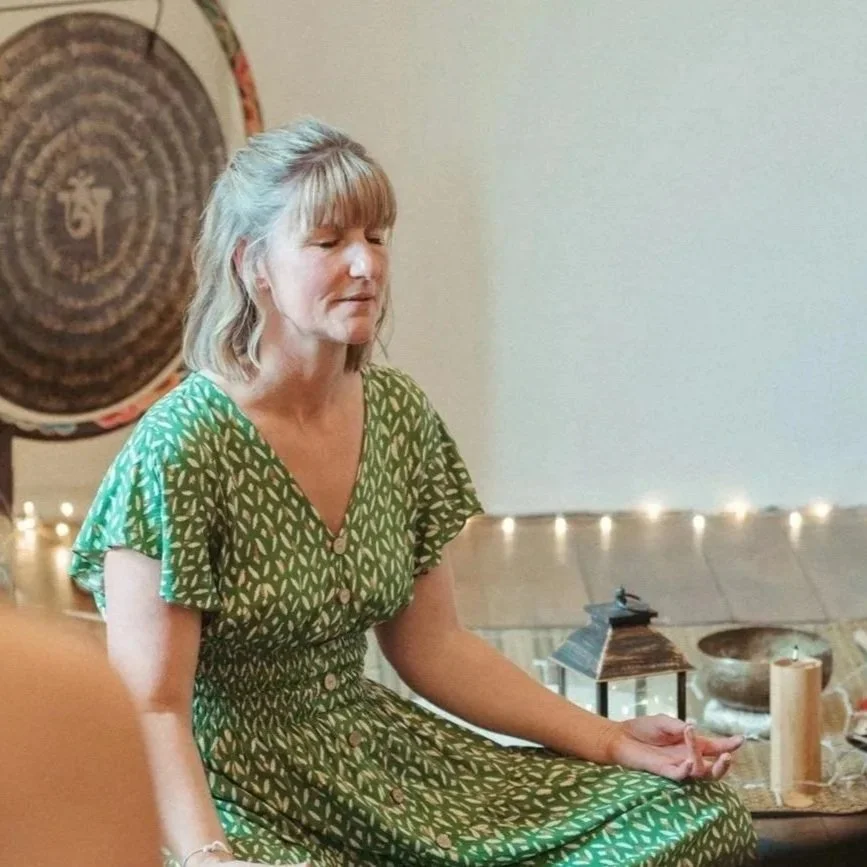
My meditation and Reiki practices have helped me become more aware of the thoughts and beliefs that influenced my relationship with rest.
One of the greatest lessons has been recognising that rest is not something we need to earn.
This has also been an important part of my traditional Hatha yoga training at Mandala Yoga Ashram, where yoga is experienced as a holistic practice of awareness rather than simply a physical practice.
Through meditation, breath awareness, postures and deep relaxation, we learn to become more attentive to our internal experiences.
That awareness allows us to recognise when we are pushing ourselves unnecessarily, when we are working against our energy levels and when we need to take a different approach.
Learning to slow down is a practice in itself.
Begin by noticing how you feel when you give yourself permission to stop.
Does your mind immediately begin telling you what you should be doing?
Do you feel uncomfortable spending time on yourself?
Do you find yourself reaching for your phone rather than sitting in stillness?
Rather than judging these thoughts, become curious about them.
Winter offers us a wonderful opportunity to develop a different relationship with rest, recognising that caring for ourselves is an important part of living well.
How to Support Your Nervous System Through Conscious Rest
There is a difference between being physically still and experiencing conscious rest.
We can spend an entire evening sitting on the sofa, scrolling through our phones or watching television, yet our minds continue to receive and process information.
Whilst these activities can be enjoyable, they offer a different experience to consciously bringing our awareness inwards.
Our autonomic nervous system regulates many automatic functions in the body, including heart rate, breathing, and digestion.
The sympathetic nervous system helps mobilise the body when we need to respond to demands or perceived threats. The parasympathetic nervous system plays an important role in supporting rest and digestion.
Both are essential to our wellbeing. We are not trying to switch one off permanently, but to support our ability to respond and adapt to the changing demands of everyday life.
Practices such as meditation, comfortable breath awareness and conscious relaxation can help us create opportunities for relaxation.
Research reviewed by the National Center for Complementary and Integrative Health suggests that meditation and mindfulness may help some people manage stress and improve aspects of sleep, although experiences and research findings vary.
What I particularly value about these practices is the awareness they develop.
We begin to notice the tension we are holding within our bodies, the patterns of our thoughts, and the moments when we are moving through life without being fully present.
Awareness gives us an opportunity to respond differently.
7 Mindful Winter Self-Care Practices to Support Your Wellbeing
Winter self-care doesn't need to involve an elaborate routine or purchasing lots of new things.
Some of the most meaningful practices are also the simplest.
1. Make the Most of Natural Daylight and Time in Nature
One of my favourite parts of the day is my morning walk.

I love witnessing the changing light, the colours of the sky, the quietness of the early morning and the small details within nature that we can so easily overlook.
Nature has been one of my greatest teachers in developing mindfulness and presence.
Spending time outdoors during daylight hours can also help support our natural body clock, whilst regular movement contributes to our physical and emotional wellbeing.
Even on an overcast winter's day, there is value in stepping outside.
Try leaving your phone in your pocket and allowing yourself to experience your surroundings through your senses.
Notice the sound of the birds, the temperature of the air against your skin, the colours around you and the feeling of the earth beneath your feet.
Rather than focusing on how far you have walked or how many steps you have achieved, explore what it feels like to be fully present.
2. Create a Mindful Winter Evening Routine
There is something rather lovely about closing the curtains, lighting a candle, feeling the warmth of the fire, and wrapping your hands around a mug of something warm.
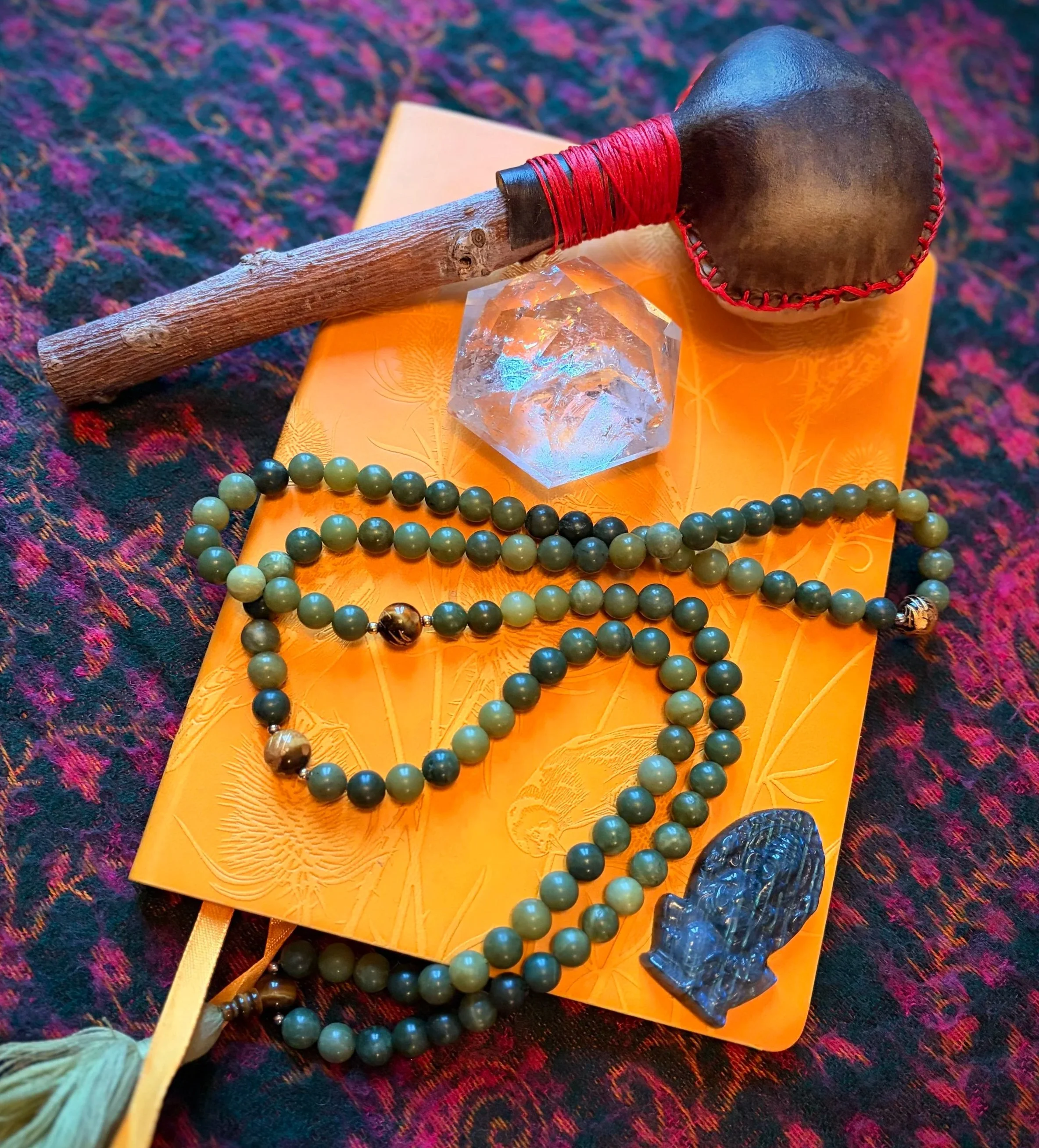
These simple moments offer us an opportunity to practise mindfulness.
Rather than allowing your evening to become an extension of your busy day, consider creating a small ritual that marks the transition between your daily commitments and time to reconnect with yourself.
You could choose a crystal to connect with, spend a few moments becoming aware of your breath, journal about your day, or enjoy a warm drink in silence.
When working with crystals, I enjoy bringing awareness to their colours, textures, and the personal meaning they hold for me. They can become a beautiful focal point for meditation and reflection.
The ritual itself doesn't need to be elaborate.
It is the awareness and intention you bring to it that make it meaningful.
3. Rediscover Something You Once Loved
When was the last time you did something simply because it brought you joy?
As children, we would quite happily lose ourselves in an activity without questioning whether it was a productive use of our time.
As adults, we can lose a little of that ability.
We become so accustomed to doing things with a purpose or an outcome that we forget the enjoyment of the experience itself.
The darker evenings offer us a wonderful opportunity to rediscover the things we once loved.
Reading, painting, knitting, playing music, crafting, writing, or exploring something entirely new.
There is no need to be particularly good at it. There is no need to share the finished result with anyone.
Allow yourself to be creative, to play and to become absorbed in something that brings you a sense of contentment.
4. Develop a Meditation and Mindfulness Practice
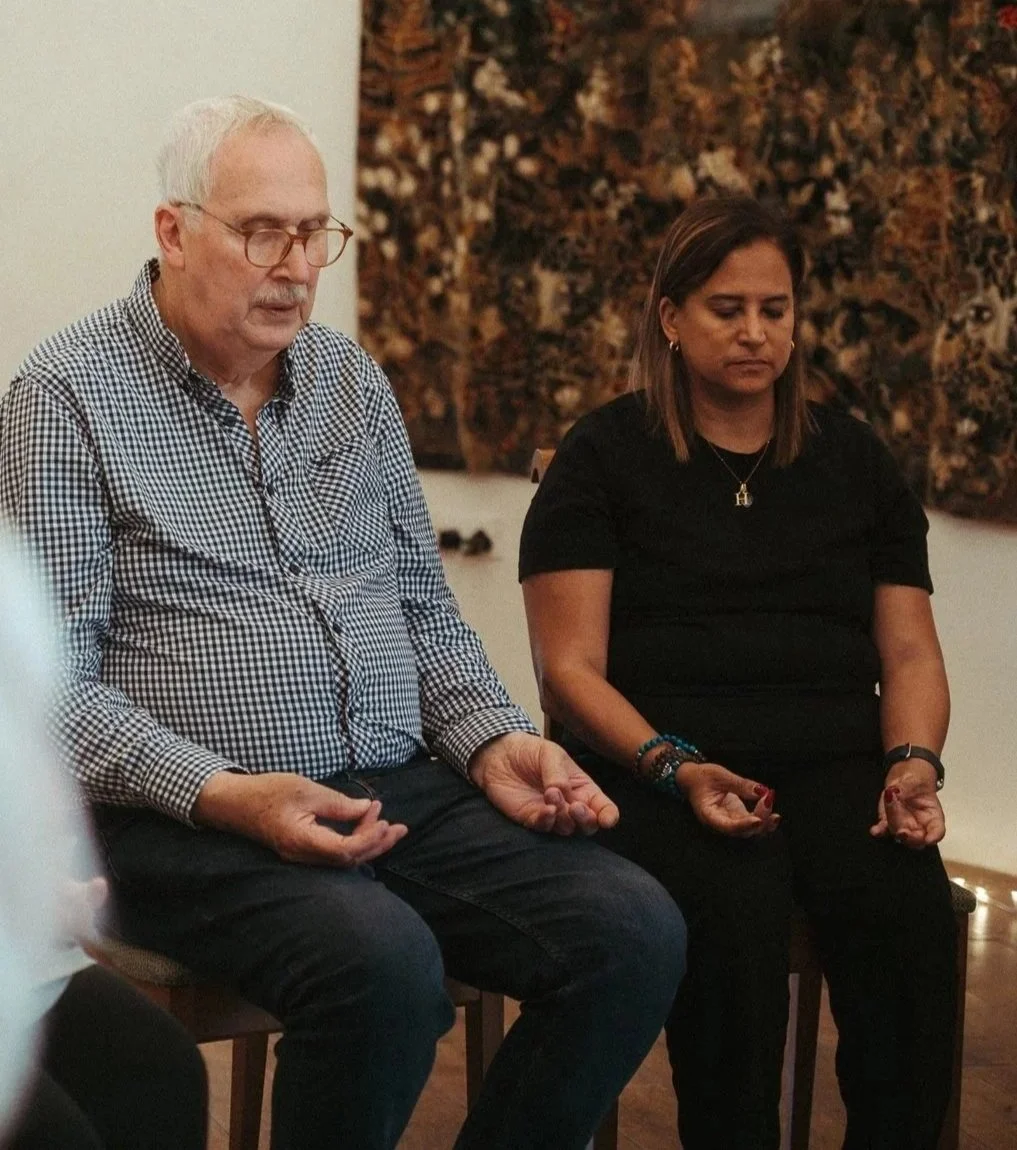
Winter is a lovely time to establish a new meditation practice or reconnect with one that has fallen away.
As a Meditation Teacher and through my own daily practice, I recognise how easily we can approach meditation with expectations.
One of the biggest misconceptions about meditation is that we need to stop our thoughts.
Meditation is not about forcing the mind to become quiet. It is about developing awareness and changing our relationship with the thoughts that arise.
You can begin with a simple breath awareness practice.
Find a comfortable seated position where you feel supported, with your spine naturally upright.
Allow your awareness to settle on the natural movement of your breath, without needing to change or control it.
When you become aware that your attention has wandered, acknowledge this and return your awareness to the breath.
Each time you return, you are developing awareness.
You don't need to begin with a lengthy practice. Find something you feel comfortable committing to and allow your practice to develop naturally.
If you are new to meditation, my blog 11 Tips for Meditation Beginners shares practical guidance and insights from my own experience to help you begin your meditation journey with greater ease and confidence.
If you would love a little more guidance and support in establishing your own practice, I have created Back to Your Roots, a four-week, self-paced online meditation programme.
Drawing upon years of personal practice, traditional yogic teachings and my experience as a Meditation Teacher, I guide you through a collection of practices to help you develop awareness, reconnect with yourself and build the foundations of a meaningful and sustainable meditation practice.
The beauty of this programme is that you don't need to wait for a particular date to begin. You can start straight away, exploring the practices at your own pace and from the comfort of your own home.
What a beautiful way to embrace the darker evenings, creating a little time each day to come back to yourself.
Discover Back to Your Roots – Your Four-Week Meditation Journey
5. Explore the Benefits of Yoga Nidra for Deep Rest
Yoga Nidra is a traditional yogic practice, often translated as yogic sleep.

It is a practice of conscious deep relaxation, generally experienced lying down, allowing the physical body to rest whilst maintaining a thread of awareness.
My 500-hour Traditional Hatha Yoga Teacher Training at Mandala Yoga Ashram has deepened my understanding and appreciation of this beautiful practice, which continues to be an important part of my own personal wellbeing.
Within a traditional Yoga Nidra, we are guided through different stages of awareness. These can include:
A Sankalpa, a heartfelt resolve or intention.
Rotation of consciousness through the body.
Breath awareness.
Awareness of different sensations.
Visualisation and inner awareness.
Rather than physically moving through yoga postures, we are exploring our internal experience.
What I love about Yoga Nidra is that there is nothing we need to achieve. We are not trying to force relaxation or create a particular experience.
We are learning to become the witness to what arises.
Research into Yoga Nidra continues to develop. A systematic review exploring Yoga Nidra and sleep disturbances has examined its potential to support sleep, although further high-quality research is needed.
Yoga Nidra can be a nourishing addition to your winter wellbeing practices, particularly when you feel mentally busy or in need of conscious rest.
There is no requirement to be flexible or have previous experience of yoga or meditation.
Deepening into Winter – Your Own Space for Conscious Rest
Inspired by my personal relationship with winter and the traditional yogic practices that have supported me over the years, I have created Deepening into Winter.
Bringing together a guided traditional Yoga Nidra practice and an accompanying reflective journal, this experience offers you a little sanctuary within the comfort of your own home.
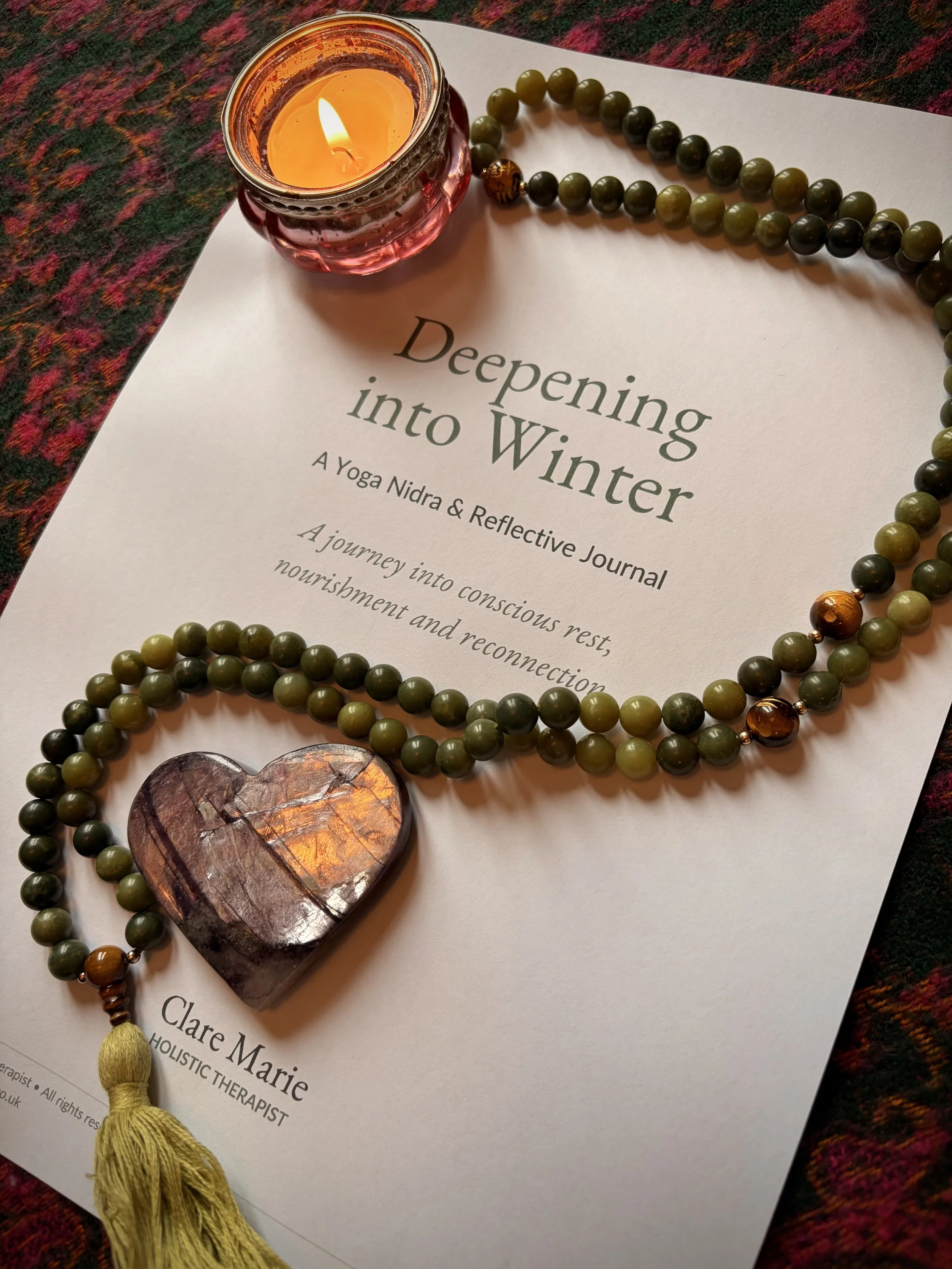
The Yoga Nidra guides you through a practice of conscious deep relaxation, whilst your journal offers space to explore your relationship with rest, reconnect with what brings you joy, and create meaningful practices that nourish you throughout the winter months.
Together, they offer you an opportunity to:
Experience conscious deep relaxation.
Develop awareness of your physical and emotional needs.
Connect with your Sankalpa.
Rediscover what brings you joy.
Create your own nourishing winter rituals.
Make space for reflection and personal awareness.
Simply find somewhere warm and comfortable, wrap yourself in a blanket, and allow my voice to guide you.
This is a practice you can return to throughout winter, whenever you feel the need to rest, reconnect, and replenish.
Discover Deepening into Winter – Guided Yoga Nidra & Reflective Journal
6. Listen to Your Body – Adapt Rather Than Give Up
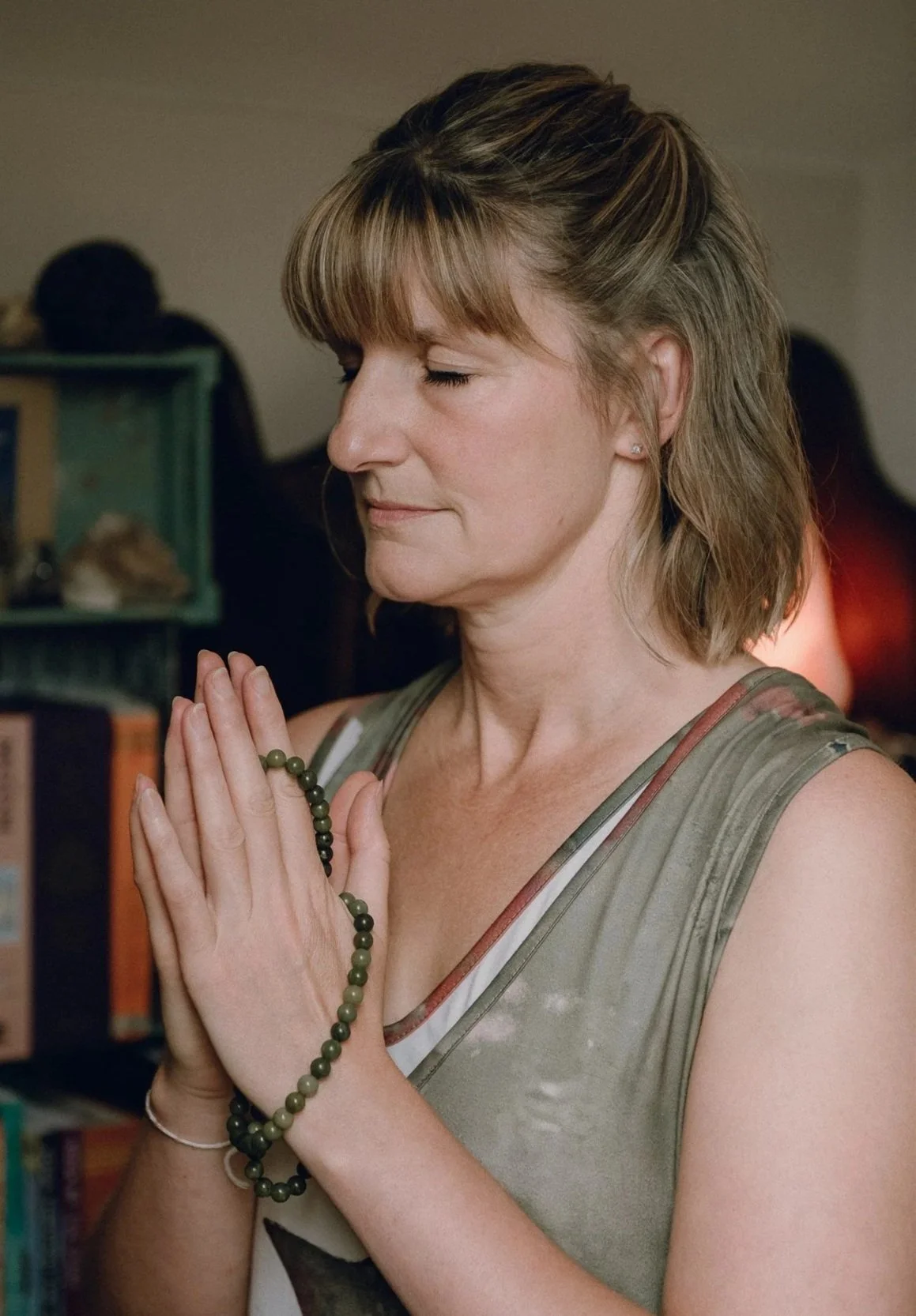
This is something I have been reminded of within my own practices.
During a recent period of being unwell, my body needed more rest. My energy levels were different, and I wasn't able to approach my usual practices in quite the same way.
A few years ago, when I was more rigid in my thinking, I would probably have given up on my practices altogether because I couldn't do them in the way I had planned.
Now, I adapt.
My physical yoga practice became more gentle and nurturing, taking on a Yin-style approach. My meditation practice included Yoga Nidra, mantra and journalling, alongside time in nature.
I allowed myself more time in bed and recognised that my practices needed to reflect what my body needed, rather than what my mind believed I should be doing.
Our wellbeing practices are there to support us, not become another source of pressure.
This is an important part of developing a sustainable winter self-care routine.
Some days you may feel energised and enjoy a more active practice. On other days, your body may benefit from a quieter approach.
There is wisdom in recognising the difference.
7. Nourish Yourself Physically, Emotionally and Spiritually
A holistic approach to winter wellbeing recognises that we are more than our physical bodies.
Our physical needs, emotional experiences, relationships, thoughts and spiritual practices all contribute to how we experience life.
Physically, we can support ourselves through nourishing food, hydration, regular movement, sufficient sleep and keeping ourselves warm.
Emotionally, we may benefit from spending time with people who bring us comfort, sharing how we are feeling and recognising when we need time alone.
Spiritually, we can explore the practices that bring us a sense of connection, meaning and inner awareness.
For me, this includes meditation, Reiki, mantra, working with crystals and spending time in nature.
Reiki has become a particularly meaningful part of my own self-care. Within my personal practice and the traditional Japanese teachings I share, there is an emphasis on awareness, the Reiki precepts, and developing a compassionate relationship with ourselves.
Your spiritual practices may look entirely different, and that is the beauty of creating your own approach to wintering.
It begins with listening to yourself.
How to Create a Winter Self-Care Routine That Works for You
Creating a winter wellbeing routine doesn't mean filling your evenings with different practices.
I often encourage people to begin with something that feels enjoyable and sustainable.

You could create a small space within your home, somewhere you can settle with a blanket, light a candle, and spend time away from the distractions of everyday life.
Your practice could include:
A few minutes of conscious breath awareness.
A guided meditation or Yoga Nidra.
A Reiki self-treatment if you have received Reiki training.
Connecting with a crystal.
Journaling and reflecting on your day.
Reading something that inspires you.
Enjoying a warm drink with your full awareness.
Choose one or two things that feel right for you and the energy you have available.
Consistency doesn't have to mean rigidity.
The practice you need today may be different from the practice you need tomorrow.
Refill Your Mug – Creating Space for Yourself
We often hear people talking about the importance of filling our own cup, but during the winter months, I rather like the idea of refilling our mugs of hot chocolate!
Whilst there is so much we can do to support our wellbeing at home, there is also something rather special about stepping away from our everyday surroundings and being held within a nurturing space.
A space where, for a little while, there is nothing you need to organise, nobody you need to look after and nothing you need to achieve.
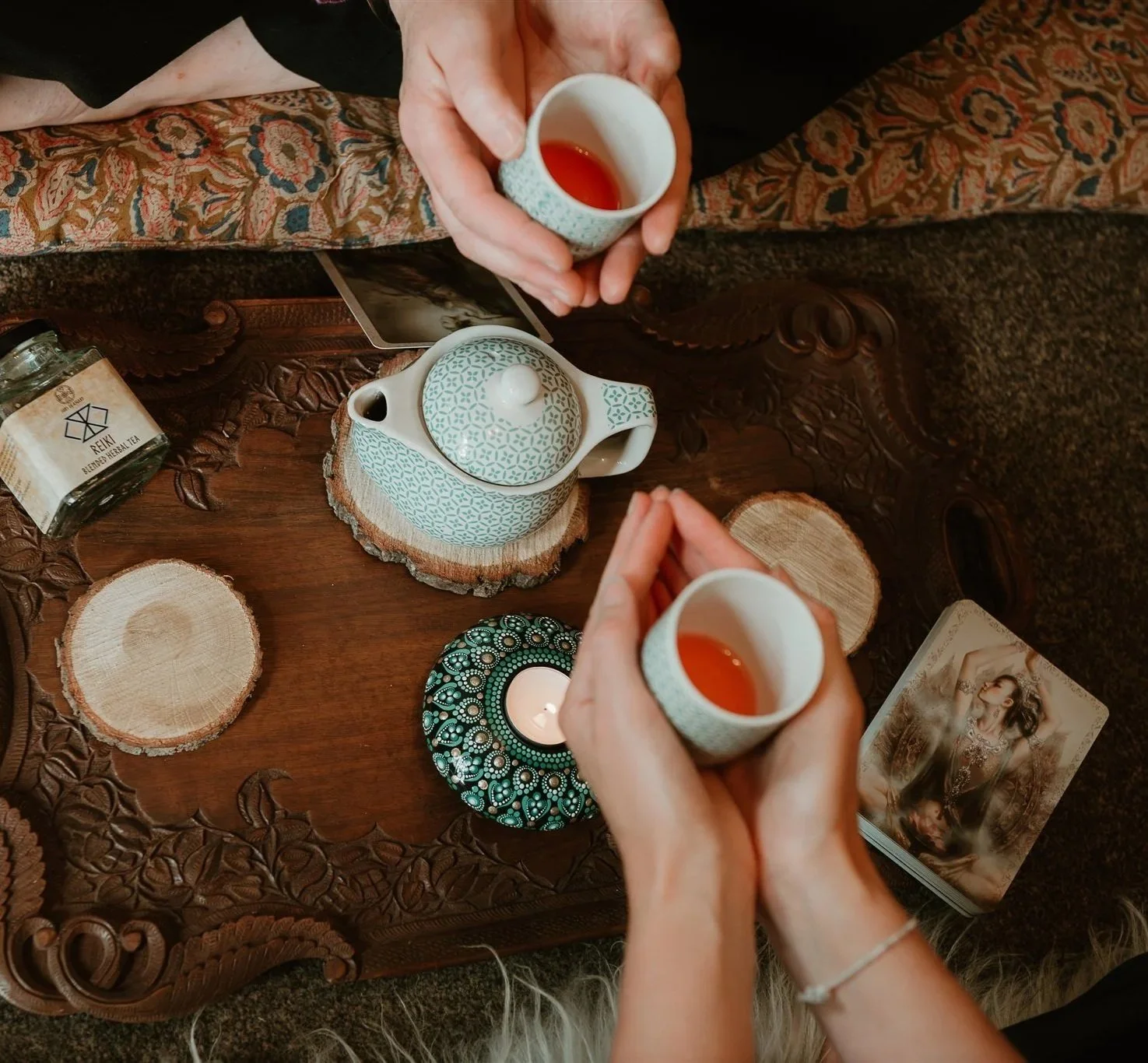
Having experienced the importance of these moments within my own journey, I am passionate about creating opportunities for others to experience them too.
Through my Reiki Crystal Sound Baths, Sunday Resets, Meditation Groups, traditional Hatha Yoga classes, Yoga Nidra sessions, wellbeing retreats and bespoke one-to-one holistic therapies, I bring together the very practices that have supported me in developing a more conscious relationship with myself and my wellbeing.
My in-person wellbeing offerings across Cheshire, Shropshire and North Wales provide opportunities to step away from the busyness of everyday life, experience conscious rest and reconnect with yourself.
You don't need to wait until you feel exhausted or overwhelmed to make time for yourself. Creating regular opportunities to rest, replenish, and reconnect can become a beautiful part of how you care for yourself throughout the winter months and beyond.
So, how full is your mug right now?
If you feel it's time for a little refill, I would love to welcome you into one of my spaces.
Explore My In-Person Wellbeing Offerings
Frequently Asked Questions About Wintering and Winter Wellbeing
What is wintering and how can it support my wellbeing?
Wintering is about recognising our changing needs during the colder, darker months and adapting our daily rhythms to support our physical, emotional and spiritual wellbeing. It encourages us to create space for conscious rest, self-reflection and activities that truly nourish us.
Why do I feel more tired during winter?
Reduced exposure to natural daylight can influence our internal body clock, sleep patterns, mood and energy levels. Spending time outdoors during daylight hours, maintaining a consistent sleep routine and creating opportunities for rest may help support your wellbeing. Persistent or unexplained tiredness should be discussed with your GP.
What are some simple winter self-care practices?
Mindful nature walks, meditation, Yoga Nidra, journalling, gentle yoga, reading and rediscovering creative hobbies are all ways to support your winter wellbeing. Choose practices that feel nourishing and enjoyable rather than creating another list of things you feel you should be doing.
How can I support my nervous system naturally during winter?
Creating regular opportunities for conscious relaxation, breath awareness, meditation, gentle movement, time in nature and sufficient sleep may help support your ability to manage everyday stress. Developing awareness of your own needs allows you to recognise when your body would benefit from rest or movement.
How can I slow down without feeling guilty?
Begin by recognising that rest is an important part of caring for yourself, rather than something you need to earn. Through meditation and mindfulness, we can become more aware of the thoughts and beliefs that influence our relationship with rest, allowing us to develop a more compassionate approach to our wellbeing.
What is the difference between meditation and Yoga Nidra?
Meditation encompasses a variety of practices that develop awareness and attention. Yoga Nidra is a traditional guided yogic practice, generally experienced lying down, which allows us to explore deep relaxation whilst maintaining a thread of conscious awareness.
Can Yoga Nidra help with stress and sleep?
Emerging research suggests that Yoga Nidra may support relaxation, stress management and sleep. It offers an opportunity to experience conscious deep rest and can be a nourishing addition to your winter wellbeing routine. However, it is not a replacement for medical or psychological care.
How can I begin a meditation practice at home?
Start with a simple practice of breath awareness, finding a comfortable seated position and bringing your attention to the natural movement of your breath. Begin with a practice you feel comfortable committing to, allowing it to develop naturally.
My four-week, self-paced online meditation programme, Back to Your Roots, offers guidance and support in establishing your own meditation practice from the comfort of your home.
How can I create a nourishing winter evening routine?
Choose simple activities that help you transition from the demands of your day into a quieter evening. This could include lighting a candle, connecting with a crystal, practising Yoga Nidra, journalling, or enjoying a warm drink with your full awareness. Allow your routine to adapt to your energy levels and individual needs.
A Final Reflection
Wintering is not about learning how to do nothing.
It is about learning how to be with yourself without constantly needing to do something.
It is about recognising the value of rest, rediscovering the things that bring you joy and developing a relationship with yourself that extends far beyond the winter months.
There is no need to create the perfect winter routine.
Begin with awareness, curiosity and a little kindness towards yourself.
As the evenings draw in, take a moment to reflect on these three questions.
What truly nourishes me?
What would I love to rediscover this winter?
What would my life feel like if I gave myself permission to slow down?
What if winter isn't a season to get through, but a season to experience differently?
With love, Clare xx
